


























Fewer Rooms, Higher Price: Is This Brampton Home Still Worth Buying?
Fewer rooms, higher prices? Discover why Brampton homes cost more and how to decide if a smaller property fits your needs and budget.

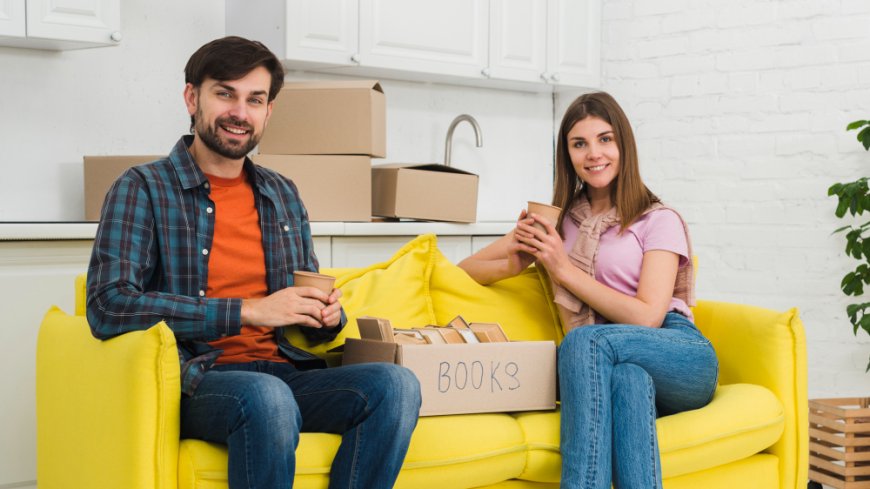
Picture this: you're on the hunt for a new place in Brampton, eagerly browsing listings, dreaming of a spacious kitchen or a big backyard. But lately, you've noticed a trend that makes you scratch your head: homes with fewer rooms seem to be asking for a higher price. It's a common puzzle for many looking to settle down in a desirable area. Is this a sign of the times, or a deal-breaker? Let's dive into this head-on and figure out if a smaller, pricier Brampton home still makes sense for you.
The Changing Face of Home Buying
Gone are the days when a bigger house automatically meant a bigger price tag in a linear fashion. The world of real estate, especially in sought-after communities like Brampton, is always shifting. What was once considered standard for a family home might now be a luxury, and what was once a small starter home might be redesigned to command a premium. This isn't just about a simple supply and demand curve; it's about evolving lifestyles, the value placed on location, and how we define "home" in the modern age.
So, why are these homes with fewer rooms often listed at what feels like a surprising price? It could be many things. Perhaps the land itself has become more valuable, and even a smaller structure on that land benefits from its surroundings. Maybe the smaller homes are being renovated with top-notch finishes, making them feel more luxurious and efficient than older, larger properties. Or maybe, people are simply realising they don't need endless rooms, preferring a well-designed, low-maintenance space in a great spot over a sprawling, high-maintenance mansion far from everything. This shift in thinking plays a big role in how homes are priced and perceived.
Redefining "Worth" in a Brampton Home
When you're looking at houses for sale in Brampton, it's easy to get caught up in the numbers game: square footage, number of bedrooms, lot size. But what if "worth" isn't just a tally of physical attributes anymore? For many, the true value of a home extends beyond its walls. It's about the feeling you get when you walk through the door, the convenience of the neighbourhood, and how well the space supports your daily life. A smaller home, despite a higher price tag compared to what you might expect for its size, could offer immense worth if it perfectly aligns with your personal needs and future goals.
Consider the difference between perceived value and actual value. A home might have fewer rooms, but if those rooms are perfectly laid out, bathed in natural light, and boast clever storage solutions, its functional value could be higher than a larger home with awkward spaces. This kind of thoughtful design often comes with a premium. It's about quality over quantity, and efficiency over excess. Before you dismiss a smaller, pricier option, take a moment to imagine living there and see if it truly offers what you value most in a home.
The Upsides of a Cosier Space
Embracing a home with fewer rooms isn't just about compromise; it comes with a whole host of advantages that often get overlooked in the quest for bigger and better. Think about the practical benefits first. A smaller footprint generally means less to clean and less to maintain. Imagine spending your weekends enjoying Brampton's parks or local events instead of scrubbing extra bathrooms or vacuuming unused guest rooms. This saved time and effort is a real perk for busy individuals and families.
Beyond cleaning, there's the potential for lower utility bills. Fewer rooms mean less space to heat in the winter and cool in the summer, potentially leading to noticeable savings over time. A cosier home can also encourage a more minimalist lifestyle, helping you declutter and focus on what truly matters. It can foster a sense of intimacy and closeness among family members, turning shared spaces into hubs of activity and connection. Plus, with less space to fill, you might invest in higher-quality furnishings and decor, making every corner of your home feel special and intentionally designed.
The Downsides to Consider
Of course, it wouldn't be a balanced discussion without looking at the potential drawbacks of a smaller home, especially when it comes with a higher price. The most immediate concern for many families is the lack of privacy. With fewer rooms, everyone might be in closer proximity, which can be challenging, particularly if children are growing up or if you work from home and need a quiet, dedicated space. Noise can carry more easily, and finding a quiet corner for yourself might require creative planning.
Storage is another common hurdle. If you have a lot of belongings, hobbies that require equipment, or simply a growing family, fewer rooms often mean less built-in storage. You might find yourself needing to be incredibly resourceful with organisation solutions, investing in multi-functional furniture, or even considering off-site storage. Lastly, entertaining guests or hosting larger gatherings can become a logistical challenge. While cosy can be charming, a consistently cramped feeling can lead to discomfort for both residents and visitors. It’s important to honestly assess your lifestyle and how much space you genuinely need to feel comfortable and functional.
Beyond the Walls: Location, Location, Location
Often, the reason a home with fewer rooms carries a higher price tag in Brampton isn't solely about the house itself, but where it stands. Brampton is a vibrant community, known for its green spaces, diverse neighbourhoods, and convenient access to amenities. This inherent desirability of the location often drives property values upward, regardless of the precise square footage of the structure on the land. When you're looking at houses for sale in Brampton, a premium price for a smaller home might actually be a premium for being in a highly sought-after area with excellent schools, parks, shopping, or transit options.
Think about what you're truly buying into. Is it just four walls and a roof, or is it also the neighbourhood vibe, the short commute, the community spirit, or the convenience of having everything you need just a stone's throw away? Sometimes, paying a bit more for less physical space means you're investing heavily in the lifestyle that comes with a particular address. The value of being exactly where you want to be can often outweigh the desire for an extra bedroom or a slightly larger living room. It's a trade-off many buyers are increasingly willing to make, prioritising access and convenience above all else.
Your Lifestyle, Your Decision
Ultimately, the question of whether a Brampton home with fewer rooms but a higher price is "worth it" comes down to your unique lifestyle. There's no one-size-fits-all answer. For a single person, a couple, or a small family who values efficiency, a vibrant community, and a lower-maintenance lifestyle, such a home could be absolutely perfect. It might free up time and resources for experiences, travel, or other personal pursuits.
However, for a larger family, someone needing extensive space for hobbies, or those who frequently host big gatherings, the constraints of fewer rooms, even in a great location, might prove to be too challenging. It's crucial to honestly evaluate your daily routines. Do you need a dedicated home office, a guest room, a playroom for children, or a spacious area for entertaining? Can you adapt to a smaller footprint by utilising clever storage solutions, multi-functional furniture, and making the most of every corner? Your ability to creatively use and adapt to a smaller space will be a major factor in your long-term satisfaction.
The Financial Picture: A Different Kind of Value
While the initial "higher price for fewer rooms" might cause sticker shock, it’s essential to look at the broader financial picture. A smaller home, even if its per-square-foot price is higher, might still result in a more manageable total mortgage amount compared to a much larger property. This could mean lower property taxes and potentially less costly home insurance, as these are often tied to the size and value of the property. Maintenance costs, from roofing to exterior painting, might also be less expensive for a smaller home over its lifetime.
Furthermore, consider the long-term investment. If the higher price is largely driven by a prime location within Brampton, that location value often holds strong over time. While no one can predict the future, well-situated properties tend to maintain their appeal. The question isn't just about the immediate purchase price, but what that price buys you in terms of quality of life, convenience, and potential for future value. It's about understanding that value can be found in more ways than just sheer size.
Key Questions to Ask Yourself Before Buying
Before you make a decision on those intriguing houses for sale in Brampton that fit this description, pause and ask yourself these crucial questions:
- What are my absolute must-haves for a home, beyond just room count? (e.g., specific school district, proximity to work, a particular type of backyard).
- How long do I realistically plan to stay in this home? (A short-term plan might allow for more compromise than a long-term one.)
- What does my typical day and week look like? (Does it involve working from home, frequent entertaining, quiet personal time, or lots of outdoor activities?)
- Am I genuinely comfortable with creative storage solutions and multi-functional spaces? (Or will a lack of dedicated storage frustrate me?)
- Does this home, despite its size and price, genuinely support the lifestyle I want to live? (Is the value truly there for me?)
Making the Smart Choice for Your Future
The trend of "fewer rooms, higher price" in Brampton homes is a reality that many buyers face today. It challenges traditional notions of home value and forces us to look beyond simple square footage. What might seem like a compromise on paper could, in fact, be an ideal fit for a modern lifestyle that prioritises location, efficiency, and less upkeep. The key is to shift your perspective from expecting more physical space for your money to understanding the broader value proposition of a Brampton home.
It's a deeply personal decision that requires honest self-reflection about your needs, desires, and financial comfort. Don't let the initial shock of the price or the room count deter you before you've thoroughly considered all the angles. For the right individual or family, a smaller, well-located, and thoughtfully designed Brampton home, even at a higher price, can absolutely be a smart and rewarding purchase. The "worth" is truly in the eye of the beholder, and the perfect home is the one that fits your life, not just your expectations.
What's Your Reaction?