


























Delhi NCR Real Estate 2025: Luxury Boom and Mega Infra Projects Drive Historic Growth
Delhi NCR's real estate sector is witnessing a paradigm shift in 2025. Fuelled by a 200% surge in luxury sales and transformative infrastructure like the Dwarka Expressway, the market is entering a new era of growth.
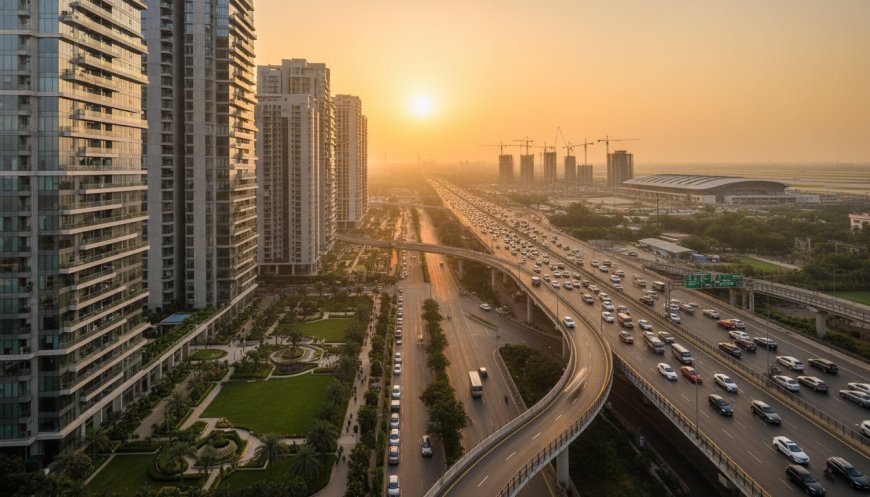
NEW DELHI – The real estate landscape of the National Capital Region (NCR) is currently experiencing a tectonic shift, marked by an unprecedented appetite for luxury living and the fruition of massive infrastructure developments. As we move through 2025, the market is not just recovering; it is redefining its boundaries, driven by high-net-worth individuals (HNIs) and a renewed confidence in India’s economic stability.
The Rise of the Ultra-Luxury Segment
One of the most striking trends dominating the headlines is the exponential growth in the luxury housing sector. Recent market analysis indicates that sales of luxury residential units—specifically those priced above ₹6 crore—have nearly tripled compared to previous years. This surge is not merely a statistic; it represents a fundamental change in buyer psychology. Post-pandemic, the affluent class is prioritizing expansive living spaces, integrated townships, and homes that offer resort-like amenities.
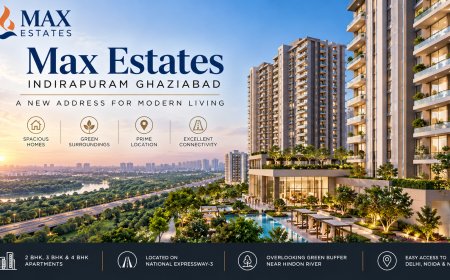
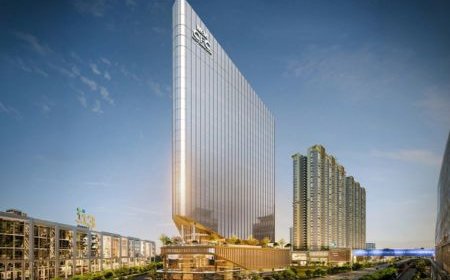
Gurugram has emerged as the epicenter of this luxury boom. Areas like Golf Course Road and the newly developed sectors along the Dwarka Expressway are witnessing record-breaking transactions. Developers are responding to this demand by launching high-end projects that promise not just a home, but a holistic lifestyle. The narrative has shifted from "affordability" to "exclusivity," with investors and end-users alike willing to pay a premium for branded residences and superior connectivity.
Infrastructure: The Backbone of Appreciation
While luxury grabs the headlines, the backbone of this real estate rally is the aggressive infrastructure push by the government. The operationalization of the Dwarka Expressway has been a game-changer, effectively decongesting the traditional Delhi-Gurugram routes and unlocking the potential of new micro-markets. Sectors 102 to 115 in Gurugram have seen property values appreciate significantly, transforming what was once dust and fields into prime real estate.
Simultaneously, the Noida International Airport (Jewar Airport) continues to be a massive catalyst for the Yamuna Expressway and Greater Noida regions. With the airport nearing its commercial operational phase, the surrounding areas are evolving into a logistics and commercial hub. Investors who entered these markets early are now seeing substantial returns, and the window for entry is narrowing as prices climb.
Furthermore, the expansion of the Delhi Metro Phase IV and the rapid progress of the Regional Rapid Transit System (RRTS) are decentralizing growth. Cities like Meerut and Ghaziabad are no longer distant satellites but are becoming viable residential alternatives for the workforce in Delhi, offering better affordability without compromising on commute times.
Emerging Micro-Markets and Decentralization
The traditional hubs of South Delhi and Central Gurugram are saturated, pushing development toward the periphery. This decentralization is creating self-sustaining economic zones. For instance, New Gurugram is evolving into a complete ecosystem with its own commercial districts, schools, and hospitals, reducing the dependency on the main city.
Noida, too, is shedding its image as a mere affordable alternative. With Grade-A office spaces and IT parks expanding, it is attracting a white-collar demographic that demands quality housing. The rental yields in these emerging hubs are witnessing an upward trajectory, making them attractive for long-term investors looking for passive income.
Commercial Real Estate and Office Spaces
The residential boom is mirrored by a robust commercial sector. The "return-to-office" mandates by major corporations have revitalized the demand for office leasing. However, the nature of demand has evolved. There is a marked preference for energy-efficient, sustainable, and technologically advanced workspaces. Co-working spaces are also seeing a resurgence, catering to the hybrid work model that many companies have permanently adopted.
Regulatory Environment and Future Outlook
A crucial factor sustaining this growth is the regulatory environment. The strict implementation of RERA has cleaned up the market, weeding out non-serious players and instilling trust among buyers. Additionally, initiatives like the extension of property tax amnesty schemes in Delhi provide relief to property owners, further boosting sentiment.
Looking ahead to the remainder of 2025, the outlook for Delhi NCR remains overwhelmingly positive. While prices have risen sharply—some reports cite a year-on-year increase of over 30%—the demand shows little sign of waning. The convergence of economic growth, infrastructure maturity, and aspirational living is propelling Delhi NCR into a golden era of real estate development.
For potential buyers, the advice from experts is clear: the era of waiting for a price correction may be over. With infrastructure projects coming online, the value proposition of peripheral areas is only set to increase, making now a critical time for investment decisions.
What's Your Reaction?