



























The Impact of Seasonal Blooms on Residential Bee Activity
Discover how seasonal blooms affect residential bee activity and create safer, pollinator-friendly outdoor spaces naturally.

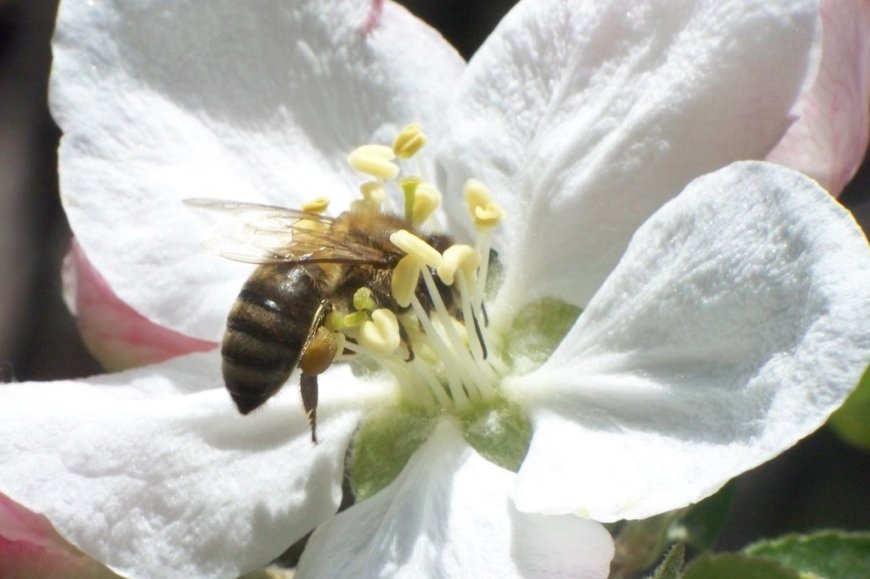
Every year, neighborhoods transform as flowers bloom across gardens, parks, and residential landscapes. While these colorful displays enhance the beauty of outdoor spaces, they also attract a variety of pollinators searching for nectar and pollen. Increased bee activity during spring and summer is a natural part of healthy ecosystems, yet many homeowners become concerned when they notice larger numbers around their property. Understanding why seasonal blooms influence pollinator behavior helps residents appreciate nature while taking practical steps to reduce unnecessary encounters.
Blooming plants provide one of the most important food sources for pollinators. As temperatures rise after winter, flowering trees, shrubs, and ornamental plants begin producing nectar and pollen that support colonies emerging from colder months. Residential neighborhoods often contain a wide variety of flowering species, making them attractive feeding grounds. Different plants bloom at different times throughout the year. Early spring blossoms provide initial food resources, while summer flowers continue supporting pollinator populations for several months. This sequence creates continuous activity as insects move from one food source to another.
Weather conditions strongly affect movement patterns. Warm temperatures, sunshine, and calm winds encourage longer foraging periods, whereas rain and cooler weather reduce activity. Homeowners often notice increased movement on pleasant afternoons because environmental conditions are ideal.
Why Residential Landscapes Become Attractive During Blooming Seasons
Residential gardens provide a remarkable diversity of flowering plants that contribute to increased bee activity throughout the year. Unlike natural environments where blooms may occur in concentrated areas, neighborhoods often feature continuous sources of nectar spread across multiple properties. Flower beds surrounding entrances, patios, and walkways frequently contain colorful annuals selected for long blooming periods. These ornamental plants offer abundant nectar while adding visual appeal to homes. Flowering shrubs, climbing vines, and decorative containers further increase available food resources.
Fruit trees create another important attraction. Apple, citrus, cherry, peach, and plum blossoms provide significant amounts of nectar during spring. While these blooms contribute to successful fruit production, they also encourage pollinators to visit residential areas more frequently. Vegetable gardens also support healthy ecosystems. Crops such as cucumbers, squash, tomatoes, herbs, and berries depend on pollination for successful harvests. Homeowners cultivating edible gardens naturally attract beneficial insects seeking flowering plants.
Water availability strengthens these attractions. Birdbaths, fountains, ponds, irrigation systems, and damp garden soil provide hydration during warm weather. Pollinators require water to regulate colony conditions and support daily activities. Residential structures sometimes contribute additional shelter opportunities. Wooden fences, sheds, decks, and wall cavities may offer protected spaces for nesting or temporary refuge. When food, water, and shelter exist within close proximity, neighborhoods become particularly attractive environments.
Practical Ways to Manage Bee Activity Around Homes
Managing bee activity successfully requires understanding rather than fear. Pollinators perform essential ecological functions, making humane management strategies both environmentally responsible and highly effective. One of the most useful approaches involves thoughtful landscape planning. Flowering plants positioned away from patios, entrances, and outdoor dining areas encourage pollinators to concentrate activity in designated sections of the property. Creating dedicated pollinator gardens near property boundaries allows insects to feed while reducing interactions near gathering spaces.
Structural maintenance helps minimize nesting opportunities. Inspecting fences, sheds, rooflines, and wall openings regularly allows homeowners to identify potential issues before they develop into larger concerns. Sealing gaps and repairing damaged wood reduce available shelter. Outdoor furniture placement deserves consideration as well. Positioning seating areas away from heavily flowering gardens creates more comfortable spaces for family gatherings and relaxation.
In some situations, homeowners discover established colonies within structural elements such as walls, sheds, or fences. When professional assistance becomes necessary, many residents choose to contact a trusted bee removal service in Glendale, LA that specializes in humane relocation methods designed to protect both people and pollinators while preserving ecological balance.
Education remains one of the most effective management tools. Understanding pollinator behavior reduces unnecessary concern and encourages practical, environmentally responsible solutions. Most encounters occur because insects are searching for resources rather than interacting with people. Consistent observation also helps. Monitoring seasonal changes allows homeowners to anticipate periods of increased activity and adjust outdoor routines accordingly.
Designing Residential Spaces That Support Safety and Conservation
Thoughtful property design can significantly reduce unnecessary interactions during periods of increased bee activity. Successful landscapes balance aesthetics, functionality, and environmental stewardship without sacrificing comfort. Dedicated outdoor living areas should be positioned with surrounding vegetation in mind. Patios, decks, fire pits, and seating spaces located slightly away from concentrated flowering gardens often experience fewer pollinator visits while remaining visually appealing.
Plant selection also influences activity patterns. Mixing flowering species with evergreen shrubs, ornamental grasses, and non-flowering plants creates attractive landscapes without concentrating nectar sources immediately beside gathering areas. Shade structures contribute additional comfort. Pergolas, gazebos, umbrellas, and covered patios provide protection from sunlight while creating clearly defined recreational zones separated from heavily planted gardens.
Color choices may also influence attraction. Bright floral decorations occasionally resemble blossoms, while neutral tones generally blend more naturally into outdoor settings. Lighting deserves attention as well. Properly positioned fixtures improve evening usability without unnecessarily attracting additional insects. Modern lighting options support safety while minimizing environmental disruption.
Education continues playing an important role. Homeowners who understand pollinator behavior are better prepared to distinguish normal seasonal activity from situations requiring professional evaluation. Rather than attempting to eliminate pollinators, thoughtful design encourages coexistence. This philosophy benefits homeowners, local wildlife, and surrounding ecosystems simultaneously.
Long-Term Benefits of Understanding Seasonal Bee Activity
Appreciating the connection between seasonal blooms and bee activity allows homeowners to approach property management with greater confidence and environmental awareness. Rather than viewing increased activity as a problem, residents can recognize it as evidence of healthy ecological conditions. Pollinators contribute directly to food production, biodiversity, and natural landscape health. Gardens flourish because flowers receive essential pollination services, while fruit trees produce abundant harvests through successful reproductive cycles.
Responsible landscaping supports these processes while improving residential comfort. Native plants, balanced garden design, and thoughtful maintenance create attractive outdoor environments that function effectively throughout the year. Environmental education continues becoming increasingly valuable as communities recognize the importance of conservation. Understanding pollinator behavior encourages practical solutions that protect beneficial species while addressing legitimate homeowner concerns.
Ultimately, seasonal blooms naturally increase bee activity because flowering plants provide essential food resources during critical periods of the year. By understanding these natural relationships, maintaining properties carefully, designing landscapes thoughtfully, and embracing environmentally responsible practices, homeowners can enjoy attractive outdoor environments while supporting valuable pollinator populations. This balanced approach creates healthier neighborhoods, stronger ecosystems, and more enjoyable outdoor living spaces for generations to come.
What's Your Reaction?