




























Understanding Site Plans: Symbols and Layout Explained
Learn how to read site plans, understand common symbols, compare site plan vs plot plan, and discover why site plans for permits are essential.

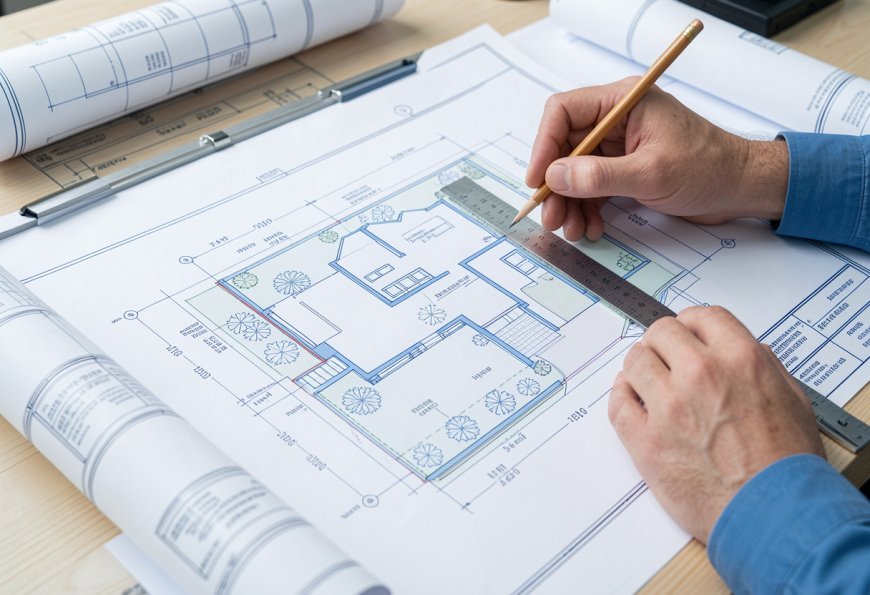
Whether you're planning a home addition, building a new property, installing a pool, or applying for permits, a site plan is one of the most important documents you'll encounter. However, many property owners find site plans confusing because of the various symbols, measurements, and technical details they contain.
Understanding how to read a site plan can save time, prevent costly mistakes, and help ensure your project meets local building requirements. In this guide, we'll break down the essential components of a site plan, explain common symbols, and clarify the difference between a site plan and a plot plan.
What Is a Site Plan?
A site plan is a detailed drawing that shows the layout of a property and all existing or proposed structures on it. It provides a bird's-eye view of the land and illustrates how buildings, driveways, utilities, landscaping, and other features relate to property boundaries.
Site plans are commonly required for:
- Building permit applications
- Home additions
- Garage construction
- Swimming pool installations
- Deck and patio projects
- Commercial developments
- Property improvements
Local authorities often require accurate site plans for permits because they help verify compliance with zoning regulations, setback requirements, and safety standards.
A professionally prepared site plan ensures that all property features are clearly represented and properly measured.
Why Site Plans Matter for Permits
Most municipalities require site plans for permits before approving construction or renovation projects. The reason is simple: officials need to understand how your proposed project will affect the property and surrounding area.
Site plans help permit reviewers evaluate:
- Property setbacks
- Building placement
- Access points and driveways
- Utility connections
- Drainage considerations
- Lot coverage percentages
- Easements and right-of-way restrictions
Without an accurate site plan, permit approval may be delayed or denied altogether.
Many homeowners underestimate this requirement and only realize its importance during the permit application process. Having a clear, accurate site plan can significantly speed up approval timelines and reduce back-and-forth communication with local authorities.
Common Symbols Found on Site Plans
One of the biggest challenges for beginners is understanding the symbols used on site plans. These symbols help simplify complex information and allow professionals to communicate details efficiently.
Property Lines
Property lines define the legal boundaries of your lot. They are usually shown as solid or dashed lines around the perimeter of the site.
Building Footprint
The building footprint represents the exact area occupied by a structure. Existing buildings and proposed structures are often labeled separately.
Setback Lines
Setback lines indicate the minimum distance a building must remain from property boundaries. These are critical for zoning compliance.
Easements
Easements identify areas where utility companies or municipalities have legal rights to access the property. Construction within easement zones may be restricted.
Utilities
Utility symbols may represent:
- Water lines
- Sewer connections
- Gas lines
- Electrical services
- Stormwater systems
These symbols help contractors and inspectors understand existing infrastructure.
Driveways and Access Areas
Driveways are typically represented with shaded or outlined sections connecting roads to buildings. Access routes are important for safety and emergency planning.
Landscaping Features
Trees, shrubs, retaining walls, fences, and other landscape elements are often shown using standardized symbols.
Although symbols can vary slightly between jurisdictions and designers, most follow similar industry conventions.
Understanding Site Plan Layouts
Beyond symbols, it's important to understand the overall layout of a site plan.
A typical site plan includes:
North Arrow
The north arrow indicates orientation and helps determine how the property sits in relation to surrounding areas.
Scale
Every site plan is drawn to scale. Common scales include:
- 1" = 10'
- 1" = 20'
- 1" = 30'
The scale ensures measurements are accurate and proportional.
Property Dimensions
Lot dimensions show the exact length and width of property boundaries.
Existing Structures
Existing buildings, garages, sheds, and other permanent structures are identified so reviewers understand current site conditions.
Proposed Improvements
Any planned construction is clearly marked to distinguish it from existing features.
Notes and Annotations
Important project details are often included in notes throughout the drawing. These annotations provide additional clarification regarding measurements, materials, or zoning requirements.
Learning to interpret these layout components makes site plans much easier to understand.
Site Plan vs Plot Plan: What's the Difference?
One of the most common questions property owners ask is about the difference between a site plan and a plot plan.
While the terms are often used interchangeably, there are important distinctions.
Plot Plan
A plot plan is generally a simpler drawing that focuses on:
- Property boundaries
- Existing structures
- Basic dimensions
- Setback information
Plot plans are often created from survey data and provide a straightforward overview of the property.
Site Plan
A site plan is more detailed and may include:
- Proposed construction
- Utility locations
- Drainage systems
- Landscaping elements
- Parking areas
- Access routes
- Grading information
In many permit applications, authorities request a site plan because it provides more comprehensive information.
When comparing site plan vs plot plan, think of a plot plan as a basic property map and a site plan as a complete development blueprint.
Understanding this difference can help ensure you submit the correct documentation during the permit process.
How to Get a Site Plan for Your Property
Many homeowners wonder how to get a site plan when starting a project.
There are several options available:
Check Existing Property Records
Some municipalities maintain site plans or surveys on file that may be available upon request.
Review Your Closing Documents
Property surveys and related drawings are often included in real estate transaction paperwork.
Hire a Surveyor
If no accurate records exist, a licensed surveyor can create updated measurements and property information.
Use Professional Site Plan Services
Online site plan providers can convert survey data, satellite imagery, and property information into permit-ready drawings quickly and affordably.
Professional services are particularly useful for homeowners who need site plans for permits but want to avoid lengthy design processes.
Tips for Reading Site Plans Accurately
To avoid misunderstandings, keep these best practices in mind:
- Always verify the drawing scale.
- Check property boundaries first.
- Review setback requirements carefully.
- Distinguish between existing and proposed structures.
- Pay attention to easements and utility locations.
- Read all notes and annotations.
- Confirm dimensions before beginning construction.
Taking time to understand these elements can help prevent costly revisions and permit issues later.
Conclusion
Site plans play a critical role in property development, construction projects, and permit approvals. By understanding common symbols, layout components, and the difference between a site plan vs plot plan, property owners can make more informed decisions and avoid unnecessary delays.
Whether you're building a new structure, planning a renovation, or applying for approval, accurate site plans for permits are essential. If you need to get a site plan, working with experienced professionals can ensure your drawings meet local requirements and help your project move forward smoothly.
A well-prepared site plan isn't just a permit requirement—it's a valuable tool for successful project planning and execution.
What's Your Reaction?