






























Hot Tubs Sacramento CA: Maintenance and Water Care Basics
Learn hot tub maintenance basics in Sacramento CA, including water testing, pH and sanitizer ranges, filter care, shock schedule, and refill tips.

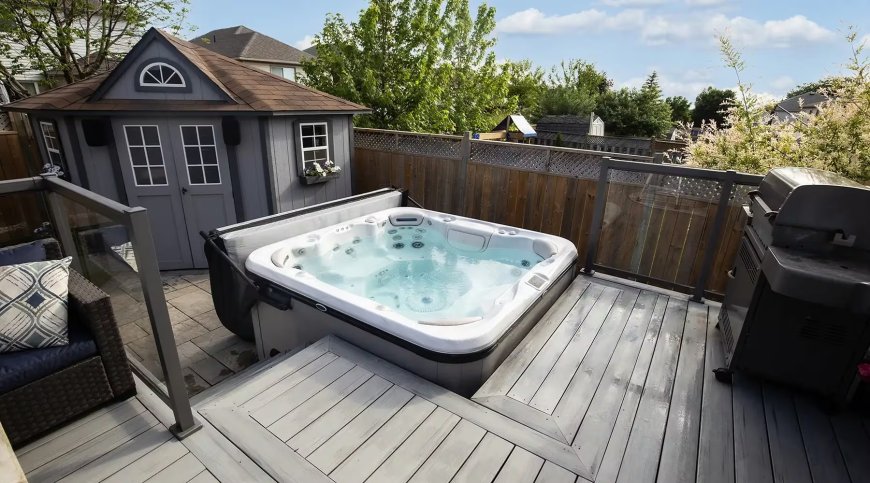
Owning a hot tub store Sacramento is one of the best ways to unwind at home, especially after a long day or a workout. Because the region is warm, dry, and often dusty, hot tub water care can feel a little different compared to cooler or wetter climates. The good news is that hot tub maintenance is not complicated once you follow a simple routine. The key is consistency.
This guide covers the basics of hot tub maintenance and water care for Sacramento CA homeowners, including what to test, what ranges to aim for, and a realistic schedule you can stick to year round.
Why water care matters more in a hot tub than a pool
Hot tubs hold a smaller volume of water and run at higher temperatures. Warm water speeds up chemical reactions, which means water balance can change faster. Bather load also has a bigger impact. A couple of people soaking for 20 minutes can introduce sweat, oils, lotions, and detergents that quickly affect sanitizer demand.
When water is not maintained, you can run into common issues like:
- Cloudy water
- Strong chemical smell
- Skin and eye irritation
- Scale buildup on surfaces and heaters
- Premature wear on pumps, seals, and covers
Good water care protects both your comfort and your equipment.
The core water chemistry you need to manage
You do not need to become a chemist, but you do need to watch a few basics.
1. Sanitizer (chlorine or bromine)
Sanitizer is what kills bacteria and keeps water safe.
Typical target ranges:
- Chlorine, about 2 to 4 ppm in a hot tub
- Bromine, about 3 to 5 ppm in a hot tub
Sacramento tip: In hot weather, sanitizer can get used up faster, especially with frequent use. Test more often in summer or during heavy use weeks.
2. pH
pH affects comfort and how well sanitizer works.
Typical target range:
- pH 7.2 to 7.8
If pH is too low, water can become corrosive and irritating. If it is too high, sanitizer becomes less effective and scale can form more easily.
3. Total alkalinity (TA)
TA helps stabilize pH so it does not bounce around.
Typical target range:
- TA 80 to 120 ppm
If your pH keeps drifting up or down, TA is often the reason.
4. Calcium hardness
Hardness helps prevent foaming and protects equipment, but too much can cause scale. Sacramento area water can be moderately hard to hard depending on your exact location and water source, so this is worth paying attention to.
Typical target range:
- Calcium hardness 150 to 250 ppm for many acrylic spas
If calcium is too high, you may see white scale on the shell, jets, or heater element. If it is too low, water can become aggressive and may damage components over time.
How to test your hot tub water
For reliable results:
- Use test strips for quick checks, especially during the week.
- Use a drop test kit if you want more precision or if you are troubleshooting an ongoing issue.
Test frequency guideline:
- Two to four times per week for pH and sanitizer
- Weekly for alkalinity
- Monthly for calcium hardness, or anytime you refill
Always test with the pumps running, and take the water sample away from the filter area so you are not testing freshly treated water.
A simple maintenance schedule that works
Daily or every use
- Check that the water looks clear and smells clean.
- If the spa was used, make sure sanitizer is not at zero afterward.
- Leave the cover open for 10 to 15 minutes after adding chemicals to let gases escape and protect the cover.
Weekly
- Test and adjust sanitizer and pH.
- Shock the water, especially if the spa is used often.
- Shocking helps break down oils and organic buildup that sanitizer alone struggles with.
- Wipe the waterline to prevent grime buildup.
- Rinse the filter with a hose to remove debris.
Sacramento tip: Wind and dust can add extra debris. Filter rinsing may be needed more often during dry, breezy periods.
Monthly
- Deep clean the filter using a filter cleaner, then rinse thoroughly.
- Inspect the cover for waterlogging, cracks, or a damaged seal.
- Clean and condition cover vinyl if your cover is exposed to sun.
Every 3 to 4 months (typical)
- Drain and refill the hot tub.
- Clean the shell with a spa safe cleaner.
- Refill, balance alkalinity first, then pH, then calcium hardness, then sanitizer.
Some tubs need water changes more often if they see heavy use. A good rule is that the more people soak, the more frequently you should refresh water.
Common water problems and quick fixes
Cloudy water
Common causes:
- Low sanitizer
- Dirty filter
- High dissolved solids from sweat, lotions, and detergents
What to do:
- Test and correct sanitizer and pH
- Shock the water
- Rinse or deep clean the filter
- If it does not clear, consider a drain and refill
Strong chemical smell
A strong smell is often not “too much chlorine” but chloramines, which form when sanitizer binds to contaminants.
What to do:
- Shock the water
- Improve circulation and filtration
- Encourage bathers to rinse before soaking
Foaming
Foam is usually caused by soaps, lotions, or detergents in swimsuits.
What to do:
- Rinse swimsuits well, skip laundry detergent residue
- Use a small amount of defoamer if needed
- If persistent, drain and refill
Scale on jets or surfaces
Scale is linked to high pH and high calcium hardness.
What to do:
- Lower pH into range
- Test calcium hardness and adjust if high
- Use a scale control product if recommended for spas
Safety basics when handling hot tub chemicals
- Never mix chemicals together.
- Add chemicals to water, not water to chemicals.
- Store chemicals in a cool, dry place out of sun.
- Keep lids closed tightly and separate oxidizers from other products.
When to call a professional
If you notice repeated water problems, unusual noises, heater errors, or the spa will not hold temperature, professional service can save time and prevent bigger repairs. Water care issues can sometimes point to circulation or filtration problems.
What's Your Reaction?