

































Demystifying De-Addiction: 5 Common Myths About Nasha Mukti Kendras Busted

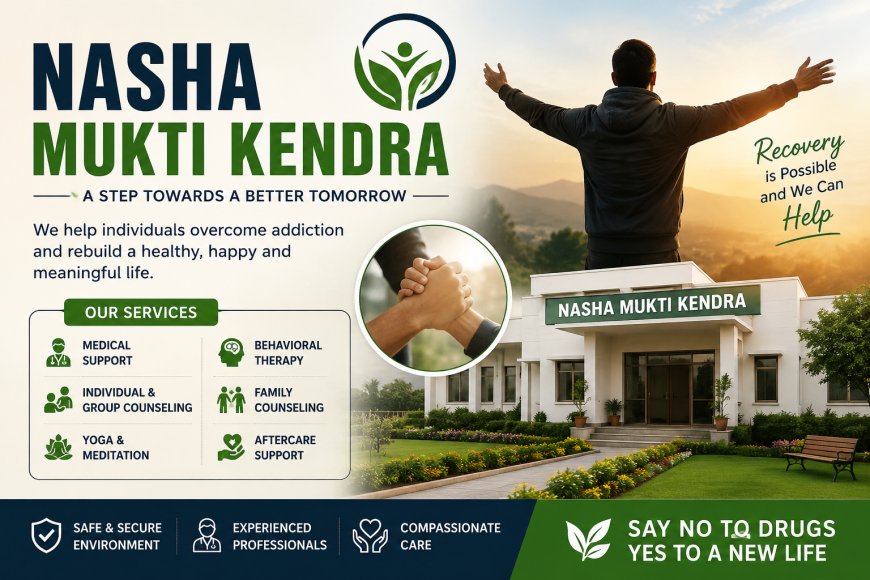
Making the decision to look into addiction recovery is an incredibly heavy, emotional moment. If you are reading this for yourself or a loved one, you already know the mix of anxiety and hope that comes with it. But when you start searching for help, a lot of what you see online or hear from well-meaning neighbors can make you hesitate. In India, the term Nasha Mukti Kendra carries a massive amount of outdated social baggage. People often view these spaces through a lens of fear, shame, or overly dramatic movie scenes.
This widespread misunderstanding creates a silent barrier, keeping families from seeking the life-saving care they need. To break that barrier, we have to look past the rumors and understand what a modern de-addiction center actually does. Let’s unpack five of the most common myths surrounding rehab and replace the fear with factual reality.
1. The "Prison" Misconception
Perhaps the biggest fear people have is that a rehabilitation facility operates like a strict, cold prison. There is a terrifying mental image of locked cells, isolation, and aggressive punishments.
In reality, professional recovery facilities prioritize human dignity and psychological safety above everything else. When you step into a licensed, modern de-addiction center, the environment feels much closer to a peaceful wellness retreat or a structured community center. While it is true that a credible de-addiction center maintains firm boundaries and a daily schedule, these rules are not punishments. They are designed to help individuals slowly rebuild the positive daily routines, self-care habits, and personal discipline that addiction quietly took away from them.
2. The Idea That It’s Just a "Physical Detox"
A lot of people assume that overcoming dependency is simply a matter of sweating it out. The belief goes: once the toxic chemicals are out of the body and the physical shakes stop, the person is completely cured.
But physical detoxification is only the very first step of a much longer puzzle. Lasting recovery requires a holistic approach because addiction alters the mind just as much as the body. A well-rounded de-addiction center focuses heavily on psychiatric care, emotional healing, and behavioral therapy. Through individual counseling, peer group sessions, and family therapy, individuals learn to identify why they turned to substances in the first place. A modern de-addiction center helps residents develop healthier emotional coping mechanisms so they don't feel the need to relapse when life gets stressful.
3. Believing You Must Hit "Absolute Rock Bottom" First
There is a dangerous cultural narrative that a person needs to lose their job, ruin their marriage, or end up completely broke before they are "bad enough" to need a professional de-addiction center.
This logic is fundamentally flawed. You would never tell a cancer patient to wait until stage 4 to see a doctor, so why do we do it with substance abuse? Substance dependency exists on a massive spectrum. Waiting for an extreme tragedy to occur only makes the recovery journey more painful and complicated. Reaching out to a certified de-addiction center during the early stages of dependency drastically increases the chances of a smoother, permanent recovery. Early intervention saves lives and prevents years of unnecessary family trauma.
4. Viewing Relapse as an Absolute Failure
When someone finishes their time at a Nasha Mukti Kendra but eventually faces a setback and slips up, families often feel devastated. The immediate assumption is that the treatment failed, or that the person simply cannot be cured.
Medically speaking, dependency is a chronic, relapsing brain condition—very similar to managing type-2 diabetes or high blood pressure. If a diabetic person's blood sugar spikes, we don't say their medical treatment failed; we recognize that their lifestyle or medication needs an adjustment. The exact same rule applies here. A relapse after leaving a de-addiction center does not mean starting back at zero. It is just a signpost that the person's transition plan needs tweaking, whether that means stronger aftercare support, a shift in their physical environment, or deeper therapy to manage specific daily triggers.
5. Expecting Sheer Willpower to be Enough
We love stories of heroic willpower—the idea that someone can just wake up one morning, decide to quit "cold turkey," and never look back. Because of this romanticized view, people who struggle to quit on their own are often unfairly judged as morally weak.
The hard science tells a different story. Prolonged substance use physically rewires the brain's reward and judgment pathways. When the chemical is suddenly stopped, the body goes into severe shock. Attempting to quit heavy substances without the medical supervision of a qualified de-addiction center can actually be physically dangerous, sometimes resulting in life-threatening medical emergencies. A specialized de-addiction center provides a medically managed, tapered detox to keep the patient safe and comfortable, pairing it with psychological tools that sheer willpower alone simply cannot replicate.
Taking the Next Step
Overcoming addiction is a journey that requires a community of support, not isolation. A modern Nasha Mukti Kendra is not a place of shame or judgment—it is a sanctuary designed for personal transformation and medical healing. By choosing an empathetic, professional de-addiction center, you are choosing to replace fear with actionable facts, paving a much smoother and safer path toward a healthier, substance-free future.
What's Your Reaction?